 Image 1 of 2
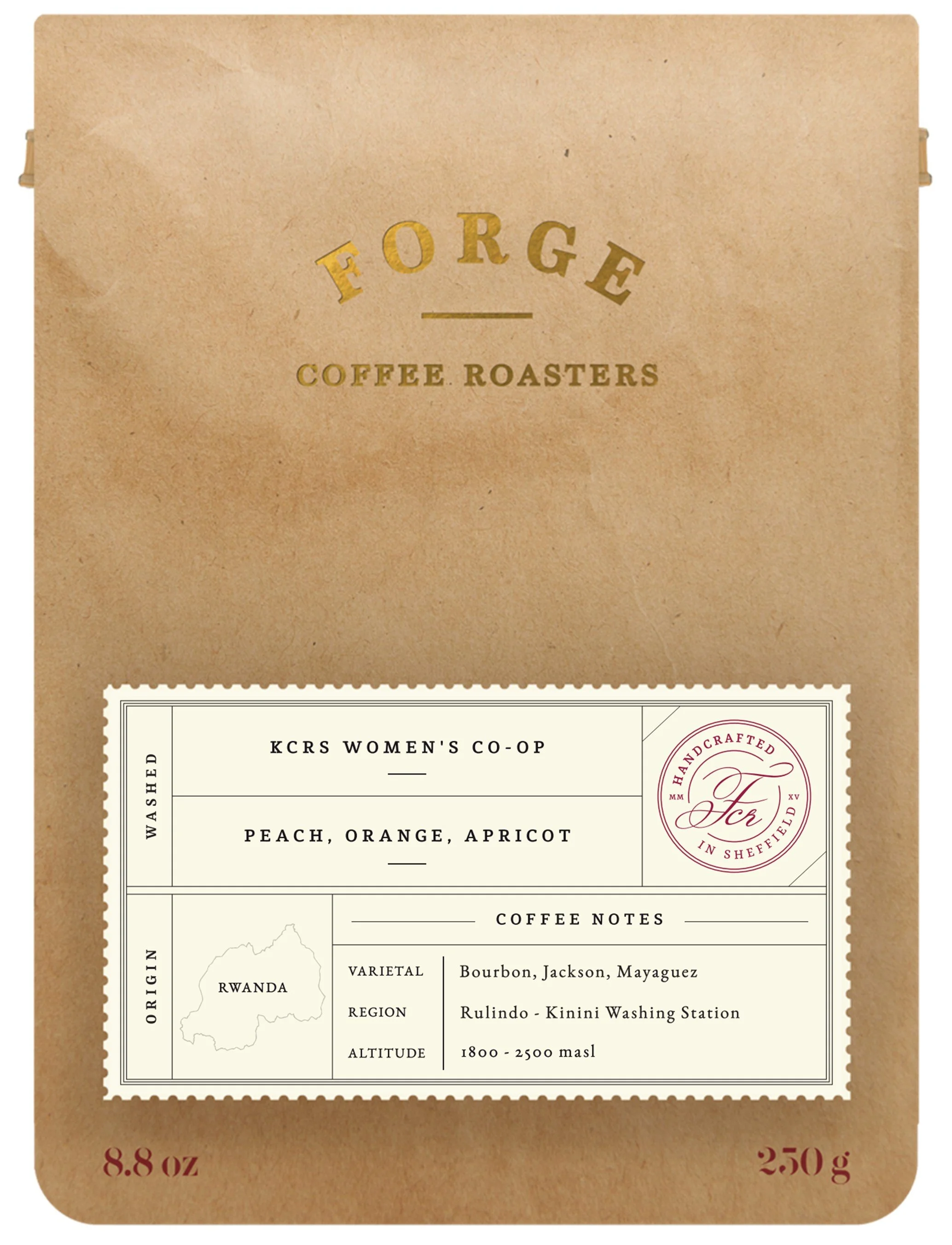 Image 2 of 2
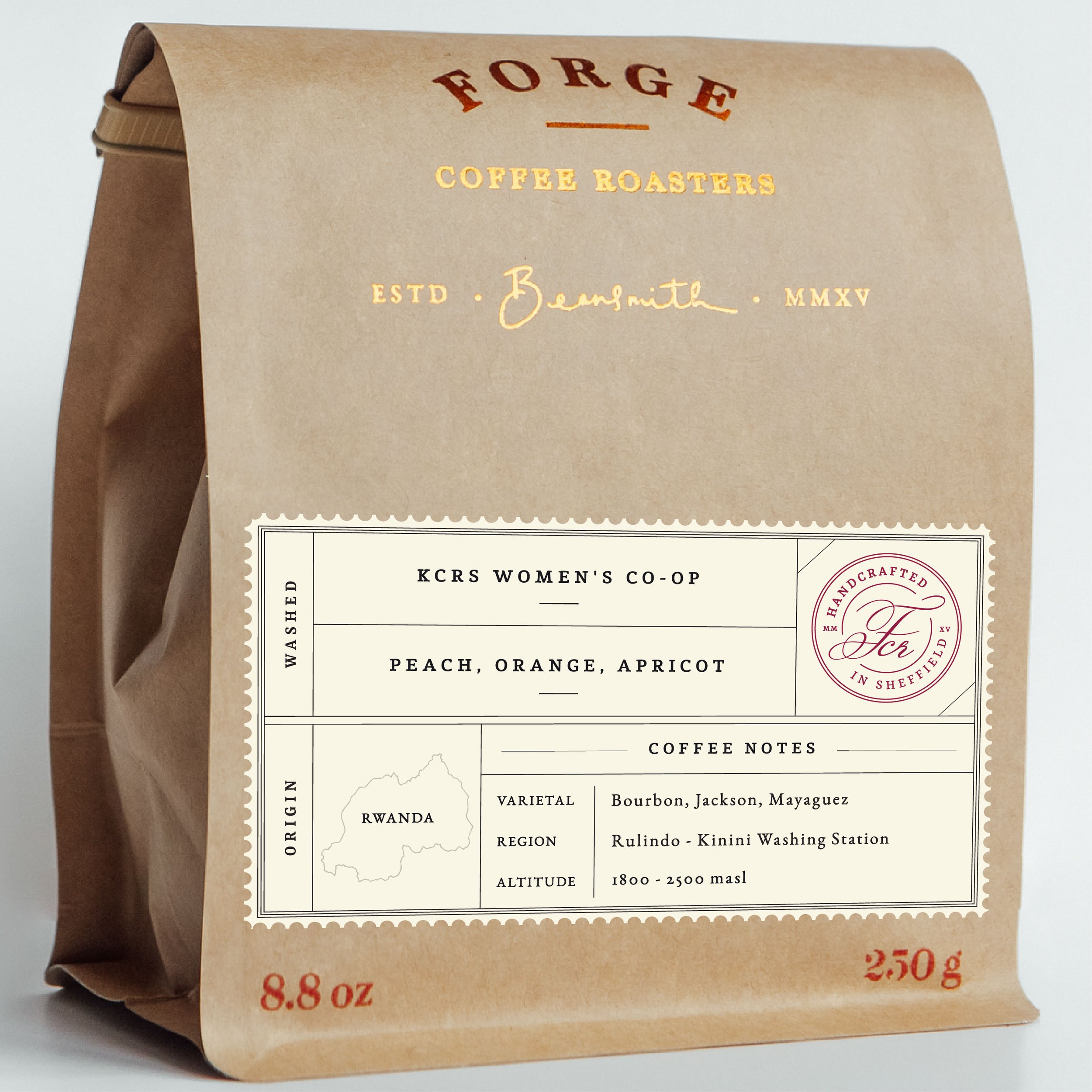
KCRS (Cooperative Coffee Rusiga Farm Sector) is a women’s cooperative from the Rulindo District of Rwanda. While there is involvement of male family members, the women of the cooperative took over ownership and charge of the land.
Around 85% of the smallholders’ farms are located above 2000masl, adding to the complexity of the coffee. Around the coffee plants, the farmers also grow legumes, beans and other crops. This helps spread their income through the year whilst also providing food too.
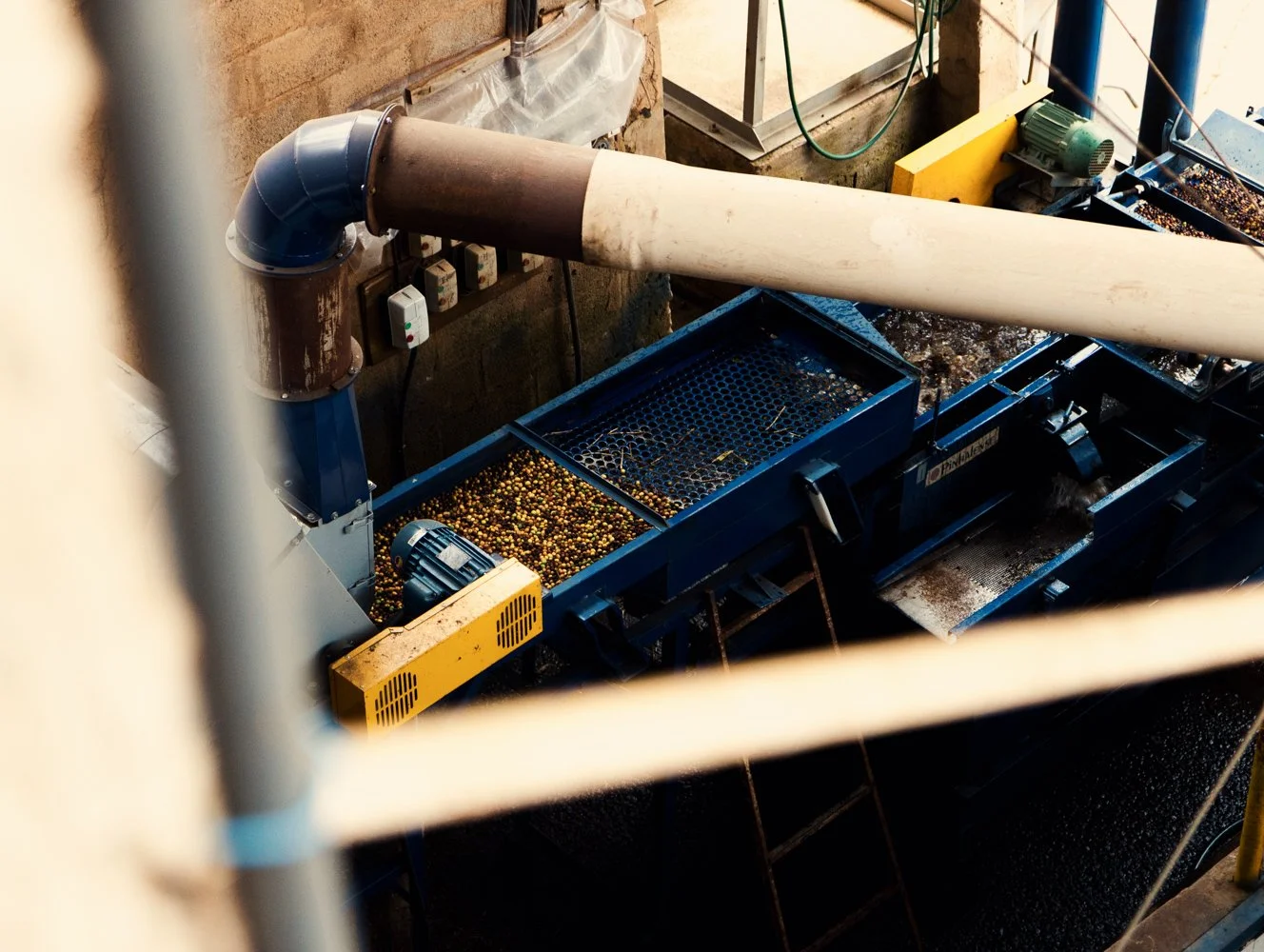
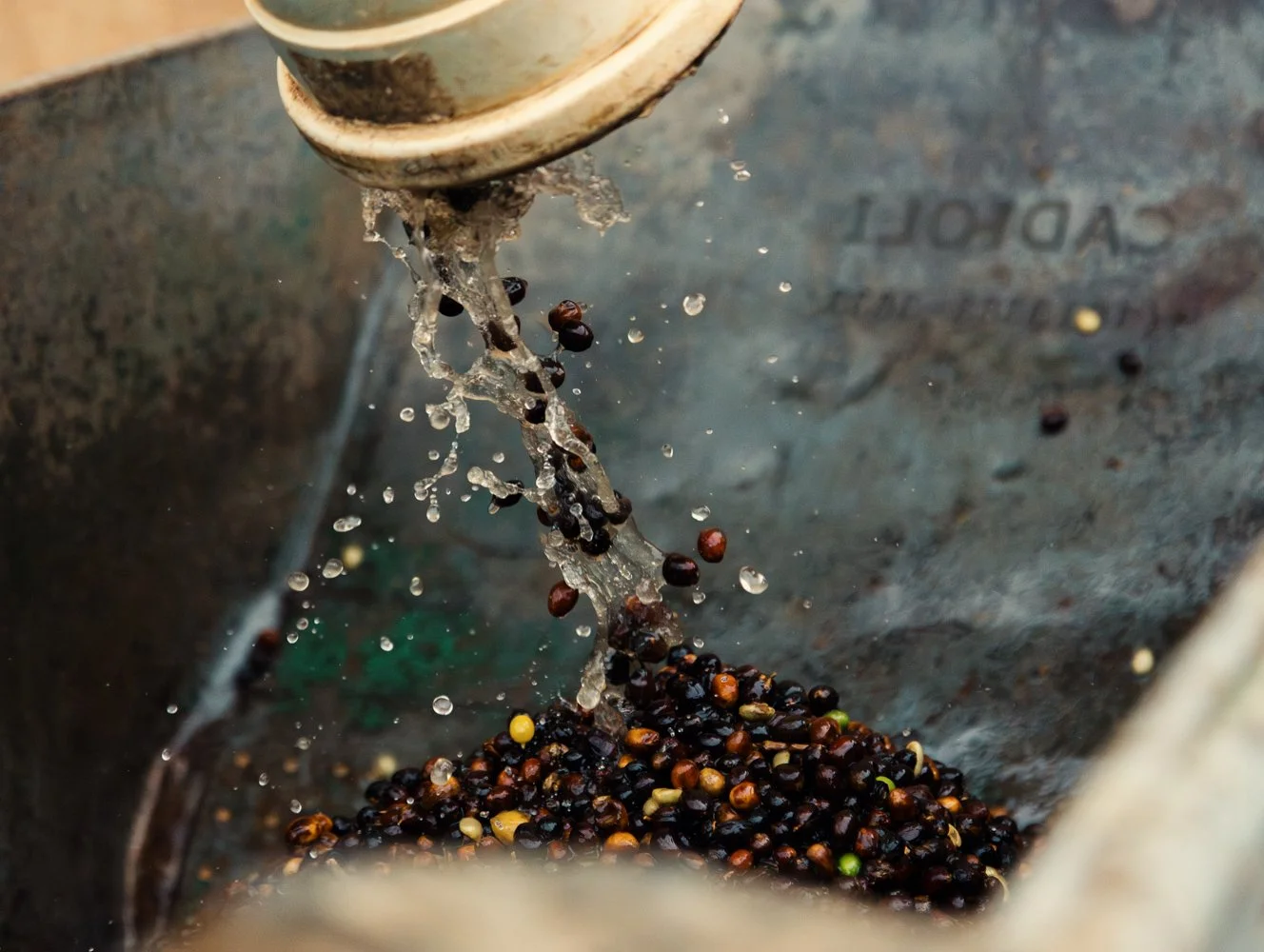
The washed process in Rwanda is somewhat different to that found in other countries. After pulping the coffee undergoes first a 24hr dry fermentation, followed by a more traditional wet fermentation. It is then soaked for a further 24hrs before the coffee is dried and graded.
The smallholders that make up the cooperative sell their coffee through the Kinini Washing Station. A percentage of the sale of coffee through this station is used to support the New Beginning Rwanda, a charity set up to help those affected by the 1994 genocide in the country.
This coffee is most suited for filter brewing.
We recommend using between 55g- 65g of coffee per litre of water used.
We recommend a starting point of 18g ground coffee to make 36g of espresso in 28 seconds.
KCRS (Cooperative Coffee Rusiga Farm Sector) is a women’s cooperative from the Rulindo District of Rwanda. While there is involvement of male family members, the women of the cooperative took over ownership and charge of the land.
Around 85% of the smallholders’ farms are located above 2000masl, adding to the complexity of the coffee. Around the coffee plants, the farmers also grow legumes, beans and other crops. This helps spread their income through the year whilst also providing food too.
The washed process in Rwanda is somewhat different to that found in other countries. After pulping the coffee undergoes first a 24hr dry fermentation, followed by a more traditional wet fermentation. It is then soaked for a further 24hrs before the coffee is dried and graded.
The smallholders that make up the cooperative sell their coffee through the Kinini Washing Station. A percentage of the sale of coffee through this station is used to support the New Beginning Rwanda, a charity set up to help those affected by the 1994 genocide in the country.
This coffee is most suited for filter brewing.
We recommend using between 55g- 65g of coffee per litre of water used.
We recommend a starting point of 18g ground coffee to make 36g of espresso in 28 seconds.